
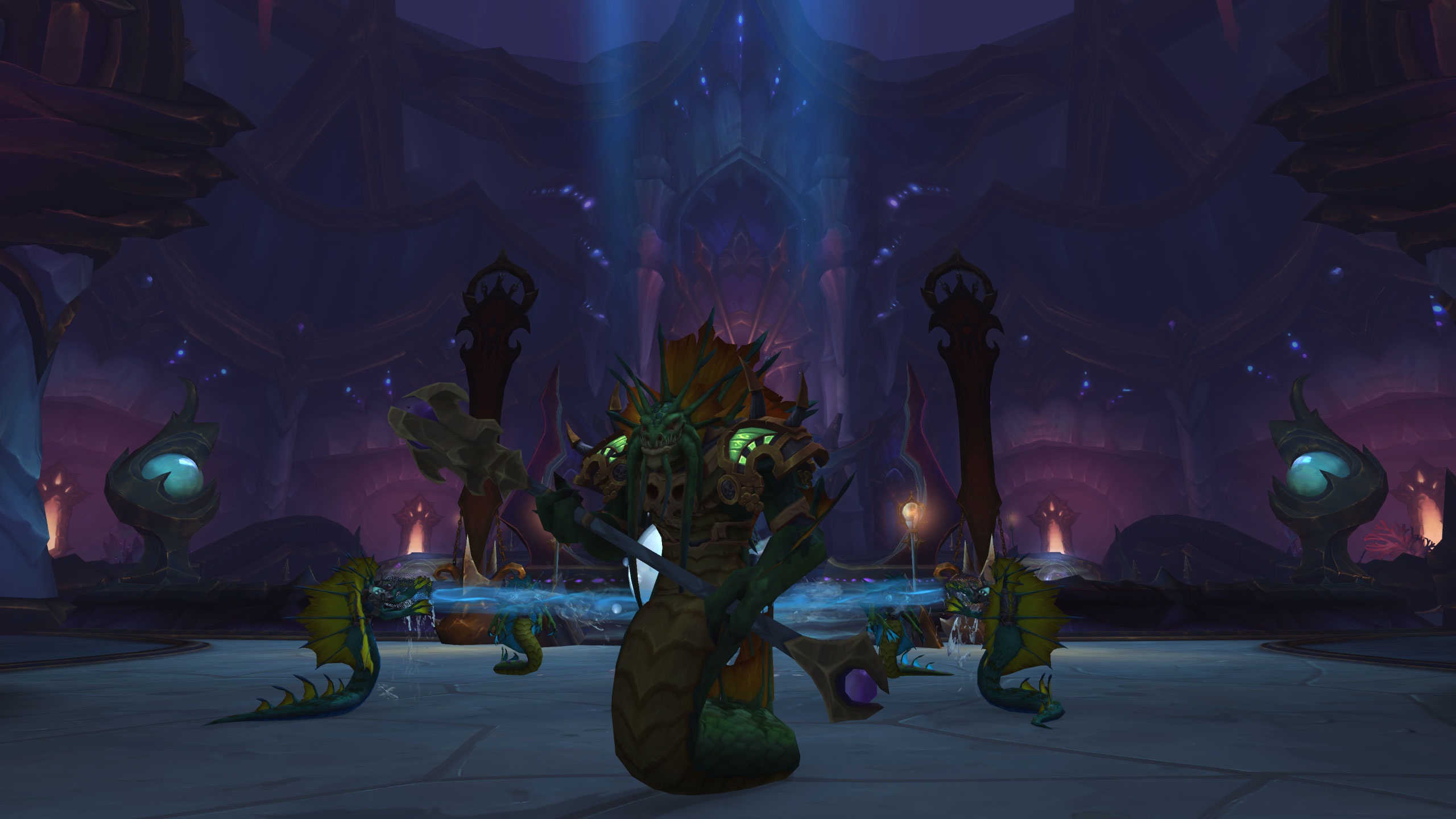
In World of Warcraft, adjusting strategies during raids is pivotal to success. You’ll need to adapt on-the-fly to evolving boss mechanics and unique encounter phases. Effective communication through voice chat allows your team to quickly respond to changing conditions, enhancing cohesion and real-time coordination. Understanding your role, whether tanking, healing, or dealing damage, also plays a significant part in how you adjust tactics mid-battle. Case studies of successful guilds, like those tackling G’huun or Castle Nathria, show that flexibility and strategy refinement are key. To improve your raid performance, embrace real-time adjustments and team collaboration.
Key Takeaways
- Dynamic Gameplay: Effective raids require flexible tactics as boss mechanics evolve.
- Communication Efficiency: Real-time voice chat enables quick strategy shifts and hazard responses.
- Phase Adaptation: Identifying boss phases and adjusting strategies ensures continued raid effectiveness.
- Resource Reallocation: Quick redistribution of resources, like healing and positioning, optimizes survival chances.
- Role Expertise: Mastery of individual roles allows precise and timely adaptations to changing encounter dynamics.
Importance of Adaptability
In the fast-paced world of World of Warcraft (WoW) raiding, adaptability is a critical skill that will set you and your team apart from the rest. You’ll find that dynamic gameplay requires more than just static strategies; the ability to change tactics on-the-fly makes a significant difference. Raids are designed to challenge, and bosses come with a range of unpredictable moves. When you’re up against these evolving tactics, sticking to a rigid plan simply isn’t effective.
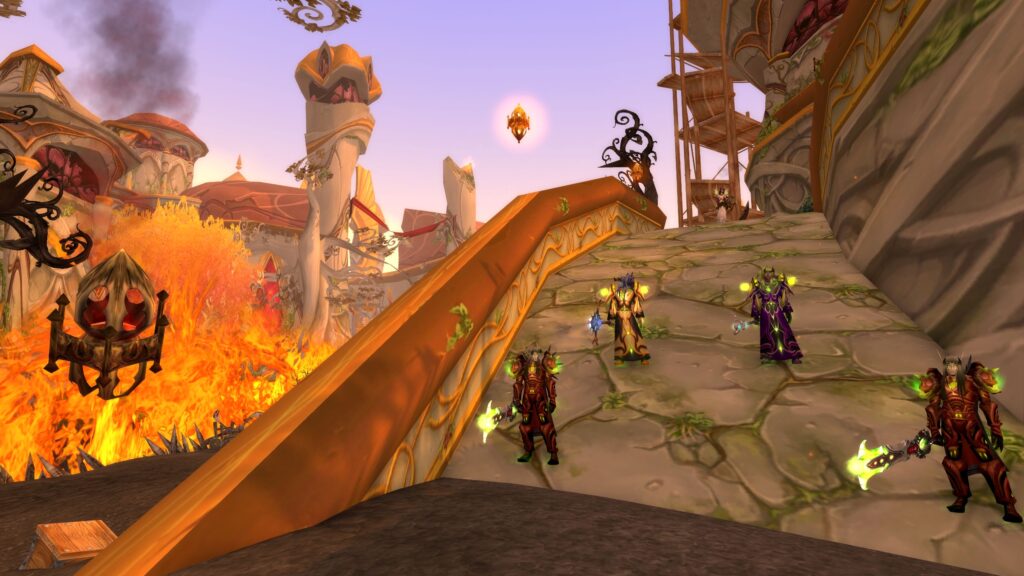
Consider how bosses often have multiple phases with unique mechanics. During these shifts, your initial strategy might become obsolete. That’s where adaptability comes in. You and your teammates need to recognize when a change in the boss’s behavior necessitates a switch in your approach. Whether it’s reallocating resources, repositioning players, or changing focus targets, quick adjustments keep you in control.
In WoW, adaptability isn’t just about survival; it’s about efficiency. A team that can seamlessly modify their strategies in response to dynamic gameplay saves time and reduces the likelihood of repeated failures. Mastering adaptability not only enhances your raid performance but also creates a cohesive, resilient team ready to face WoW’s toughest challenges.
Real-Time Communication
Successful WoW raiding hinges on real-time communication, transforming chaos into coordinated efforts. You can’t underestimate the power of voice chat for facilitating instantaneous raid coordination. Imagine a complex boss fight; without timely and clear instructions, your group will falter. Effective use of voice chat guarantees every player knows when to switch targets, move out of hazardous zones, or execute vital abilities.
Voice chat isn’t just a luxury; it’s essential. Typing commands wastes precious seconds, but with voice communication, your raid leader can immediately convey adjustments. This rapid exchange of information also allows for on-the-fly strategy changes, critical for dealing with unexpected boss mechanics or sudden player error.
Moreover, real-time communication fosters camaraderie and team cohesion. When everyone’s engaged over voice chat, you build a sense of unity, making each member feel more invested. This unity can turn even the most challenging encounters into manageable tasks.
Therefore, integrating voice chat into your raiding routine isn’t optional—it’s necessary. By doing so, you’ll bolster your raid coordination, delivering more successful and rewarding raids. Proper communication can mean the difference between a wipe and a well-deserved victory.
Role Knowledge
Understanding the intricacies of your role is paramount in WoW raids. When you fully grasp what’s expected of your class, you’re already setting yourself and your raid team up for success. Mastering your role involves more than just knowing your rotation or cooldown usage; it demands mechanics mastery and acute encounter analysis.
As a tank, you’re responsible for positioning bosses and managing aggression so damage dealers can perform safely. If you’re a healer, your role pivots more toward maintaining the health of your raid members while managing mana efficiency. DPS players focus on maximizing damage output but also need to switch targets and avoid hazards adeptly.
Mechanics mastery means you know precisely when and how to adapt your strategies based on the raid’s unique challenges. A thorough encounter analysis before and during raids will reveal areas where your contribution can tilt the fight in your team’s favor. Understanding these details and remaining agile allows for real-time strategy adjustments that can be the difference between a wipe and a victory. Keep refining your skills and knowledge; the more seamlessly you can adapt to dynamic situations, the more valuable you’ll be in any raid environment.
Case Studies
Delving into real-world scenarios can illuminate the nuances of raid strategy better than theoretical discussions ever could. Take, for instance, the infamous Uldir raid with G’huun as the final boss. Initially, many guilds faced overwhelming strategy failures due to the complex encounter mechanics and devastating boss abilities. The key to overcoming G’huun wasn’t just brute force, but meticulous group composition. Guilds that adapted by reallocating healers and repositioning ranged DPS saw considerable improvements.
Another example can be seen in the raid successes of top guilds in Castle Nathria. Here, fine-tuning the strategy for each boss culminated in efficient loot distribution and smoother progression. Adjustments like swapping a tank for an additional DPS or prioritizing certain boss abilities allowed raiders to optimize their damage output and survival.
Even with these successes, challenges like incorrect loot distribution often plagued groups. Efficient loot handling became paramount, ensuring that upgrades went to players who could maximize their utility. Analyzing these case studies, you realize that successful adjustments in strategy often boil down to understanding intricate encounter mechanics and dynamically shifting group tactics to neutralize boss abilities effectively.
Expert Tips
Expert raiders have gleaned invaluable insights over years of battling Azeroth’s toughest bosses, and their advice can make the difference between wiping endlessly and achieving a clean kill. One of the first areas they emphasize is gear optimization. Confirm that you’re not only equipping the highest item level gear but also correctly enchanting and gemming it to maximize your character’s potential. This means understanding stat priorities for your class and spec. Resources like simulation tools can help you determine which gear pieces will provide the best performance boost.
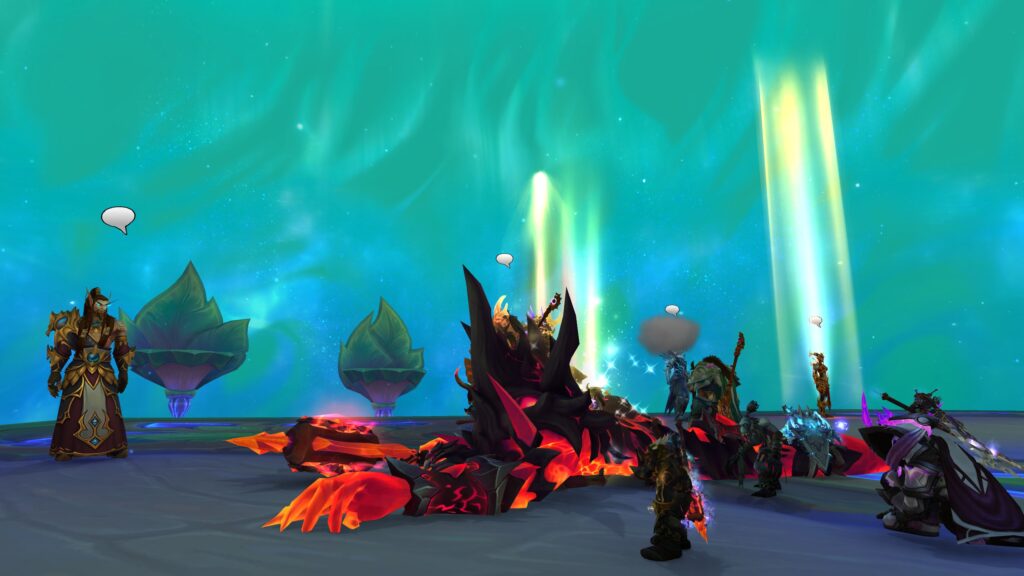
Encounter analysis is another vital element. Before facing a boss, study detailed strategies from various sources, including video guides and raid leader forums. Break down the encounter into phases and tasks, assigning each role-specific duties. This guarantees everyone knows what to expect and how to react. Additionally, record and review your raid attempts. Analyzing these recordings helps identify what went wrong and who may need improvement.
Frequently Asked Questions
What Are Common Reasons for Raid Failures Despite Having a Solid Strategy?
Despite having a solid strategy, raid failures often occur due to several factors. Communication breakdowns can disrupt coordination, while unexpected environmental factors demand quick adaptation. Encounter mechanics sometimes catch players off-guard, causing mistakes. Gear discrepancies between team members might handicap performance. Additionally, player morale plays a significant role; low morale leads to a lack of focus and cooperation. Addressing these issues is essential for achieving raid success.
How Do Player Roles Evolve During Long-Term Raid Progression?
Isn’t it interesting how your roles evolve over long-term raid progression? You start to notice increased role flexibility as players adapt their skills. Long-term dedication leads to a deeper understanding of encounter focus. Communication dynamics become more refined, enhancing synergy development. You’re constantly honing your skill adaptation, ensuring everyone’s contributions align perfectly. By the end, the group’s improved coordination and strategy show remarkable growth.
What Tools Can Help Improve Raid Strategy Planning?
To improve raid strategy planning, use video guides for visual tactics and in-depth walkthroughs. Analytical software helps analyze performance, identify weak points, and optimize strategies. Communication tools keep your team coordinated and responsive during raids. Strategy templates give you structured plans to follow, ensuring nothing is overlooked. By combining these tools, you can create a more efficient and prepared raid team.
What Impact Do Class Changes Have on Raid Strategies?
Did you know that a top guild reported a 20% increase in success rates after major class changes? Class balance deeply impacts raid strategies, altering damage output, healing efficiency, and utility roles. When classes are tuned differently, their synergy effects shift, which means your team might need to adapt to new strengths or weaknesses. Encounter design can also change, demanding fresh strategies to conquer challenges effectively. So, stay adaptable and refine your team’s approach.
How Do Player Substitutions Affect Raid Strategy Execution?
Player substitutions greatly affect raid strategy execution. You’ll notice shifts in player dynamics that require enhanced communication strategies. The adaptability importance can’t be overstated as new members alter existing synergy effects. Role specialization becomes essential, demanding situational awareness from all participants. If a healer’s swapped, everyone must adjust to maintain balance, showcasing how vital efficient coordination is. Your ability to adapt guarantees the raid’s success despite these changes.
Conclusion
Imagine the intensity of a World of Warcraft raid: the clashing swords, pulsating spells, and critical moments that demand split-second decisions. Adaptability is your shield and real-time communication is the lifeline keeping your team alive. Know your role inside and out, and learn from successful case studies. Implementing expert strategies elevates your gameplay from ordinary to extraordinary. In this dynamic and immersive world, the ability to pivot and strategize is what separates the heroes from the fallen.